Your Mercedes‑Benz is engineered for precision, control, and confidence on every road. To maintain that performance, your braking system must operate exactly as designed. Our Mercedes‑Benz service center in Arcadia provides factory‑level brake inspections, brake pad replacement, rotor services, and brake diagnostics for drivers throughout Arcadia, Pasadena, Monrovia, and the San Gabriel Valley.
Every service is performed by Mercedes‑Benz‑certified technicians using Genuine Mercedes‑Benz Parts to ensure the safety, stopping power, and refinement your vehicle was built for.
Brake Inspection
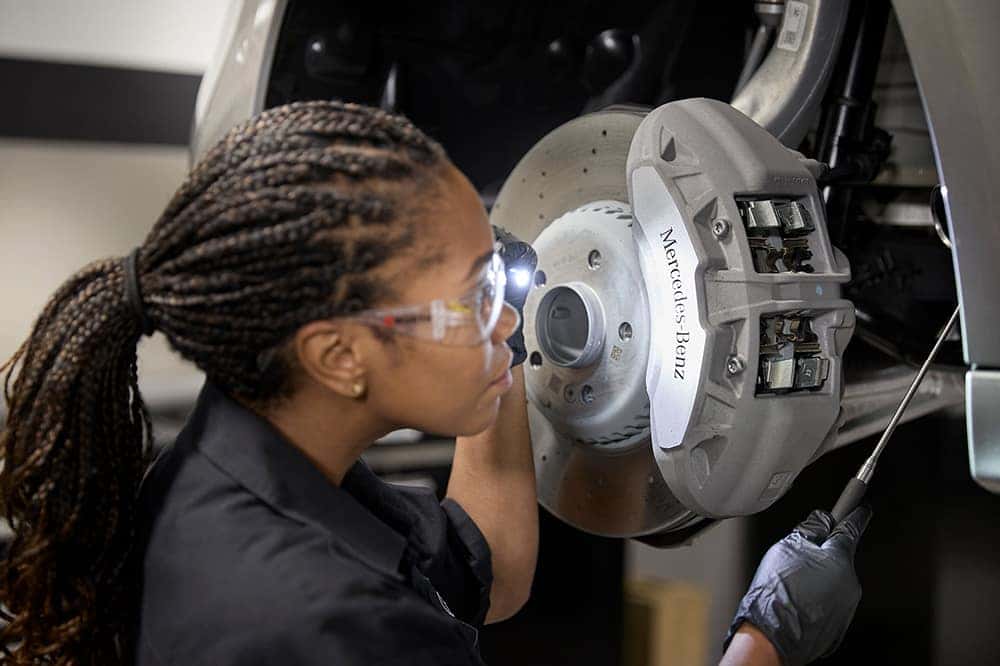
A Mercedes‑Benz technician performs a complete evaluation of the braking system, including pad thickness, rotor condition, caliper operation, brake lines, and brake fluid quality. This inspection follows factory guidelines for your specific model.
Genuine Brake Pad Replacement
Mercedes‑Benz brake pads are engineered to match the exact friction profile, weight distribution, and braking characteristics of your vehicle. Replacing worn pads with Genuine Parts ensures quiet operation, consistent pedal feel, and optimal stopping performance.
Rotor Resurfacing or Replacement
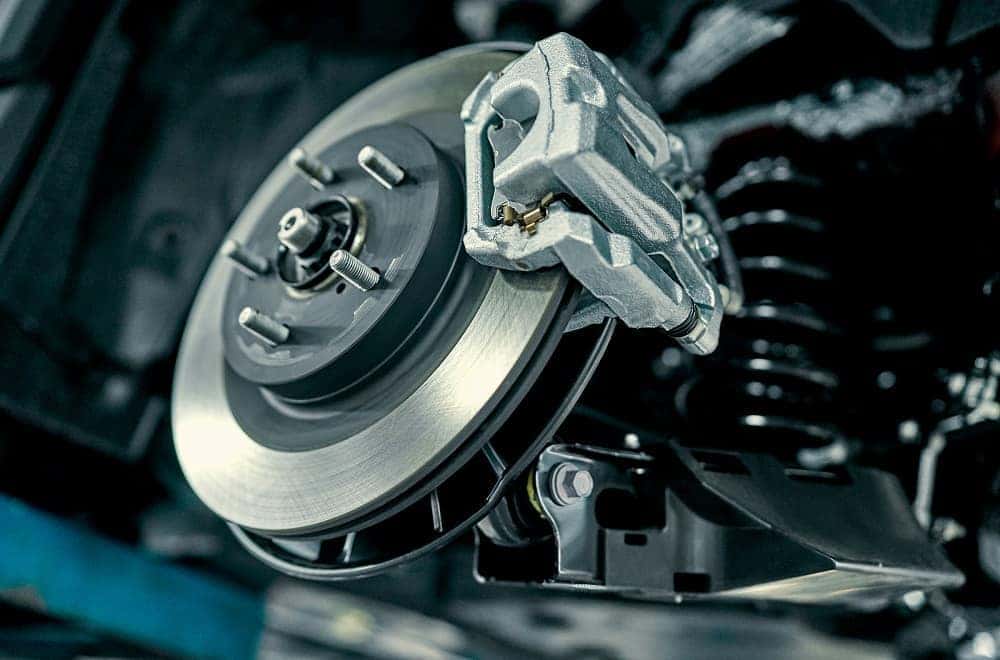
Rotors are measured for thickness, runout, and heat spots. Depending on wear, they may be resurfaced or replaced with Genuine Mercedes‑Benz rotors designed for balanced braking and reduced vibration.
Brake Fluid Exchange
Mercedes‑Benz recommends regular brake fluid replacement to maintain hydraulic pressure and protect internal components. A fluid exchange restores proper pedal response and braking efficiency.
ABS & ESP® Diagnostics
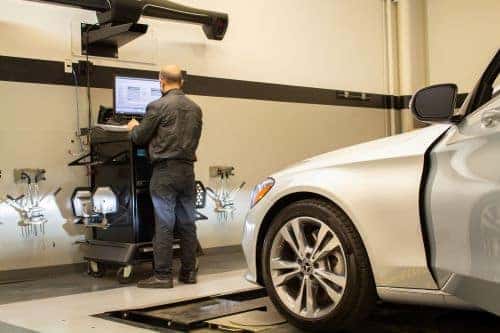
Advanced diagnostic tools are used to evaluate the Anti‑lock Braking System (ABS), Electronic Stability Program (ESP®), and related sensors to ensure your vehicle’s safety systems function as intended.
Many drivers search for “Service A” or “Service B” when they actually need a repair. Here’s the distinction:
| Genuine Mercedes‑Benz Brake Pads | Aftermarket Brake Pads |
|---|---|
| Engineered for your exact model | Vary widely in quality and material |
| Designed for quiet, smooth braking | May produce more noise or dust |
| Optimized for vehicle weight and brake balance | Fitment and performance may not match factory standards |
| Longer lifespan and consistent performance | Can lead to premature rotor wear |

Your Mercedes‑Benz deserves service that matches its engineering — precise, meticulous, and performed by experts who understand the brand’s standards. At Mercedes‑Benz of Arcadia, every brake repair is completed by factory‑trained technicians who follow the same procedures used at Mercedes‑Benz facilities worldwide. From the moment your vehicle enters our service center, it receives a level of care designed specifically for the performance, safety, and refinement of your model.
Our brake services include:
This comprehensive approach ensures that every component of your braking system performs exactly as Mercedes‑Benz intended.
Drivers throughout Arcadia, Pasadena, Monrovia, El Monte, Temple City, and the greater San Gabriel Valley trust our team because we pair technical expertise with a deep understanding of local driving conditions. Whether you navigate city traffic, mountain roads, or freeway commutes, our technicians know how these environments affect brake wear on Mercedes‑Benz vehicles — and we tailor our service recommendations accordingly.
Choosing Mercedes‑Benz of Arcadia means choosing Genuine Mercedes‑Benz Parts, advanced diagnostic equipment, and a service team committed to preserving the performance and safety of your vehicle. It’s the confidence of knowing your brake repair is completed to the highest standards, by the people who know your Mercedes‑Benz best.
Most Mercedes-Benz brake pads last between 25,000 and 50,000 miles, depending on driving style, traffic conditions, and model type. AMG® performance models may require more frequent replacement due to higher braking loads.
Mercedes-Benz uses softer, high-friction pad compounds to deliver smooth, quiet, and responsive braking. This improves performance but can lead to slightly faster wear compared to harder aftermarket pads.
Common signs include squealing, grinding, longer stopping distances, vibration, or a brake wear warning light. Many models also have electronic brake wear sensors that alert you when pads are low.
Yes. Mercedes-Benz brake pads are engineered for your vehicle’s weight, braking system, and performance profile. Using Genuine Mercedes-Benz pads ensures proper fit, quiet operation, and optimal stopping power.
Rotors typically last 50,000 to 70,000 miles, but this varies by model and driving conditions. Mercedes-Benz rotors are designed to work as a matched system with OEM pads, so replacing both together often delivers the best results.
Some rotors can be resurfaced if they meet minimum thickness requirements, but many Mercedes-Benz models use high-precision rotors that are better replaced to maintain smooth, vibration-free braking.
A soft pedal may indicate moisture-contaminated brake fluid, worn components, or air in the brake lines. Mercedes-Benz recommends regular brake fluid exchanges to maintain proper hydraulic pressure.
Most models require brake fluid replacement every 2 years, regardless of mileage. This prevents moisture buildup and protects the ABS and ESP® systems.
It’s not recommended. The warning light means your brake pads are near the end of their lifespan. Continuing to drive can damage rotors and reduce braking performance.
Squeaking can occur from dust, humidity, or pad material characteristics. Genuine Mercedes-Benz pads are designed to minimize noise, but some light squeal can be normal depending on conditions.
Yes. AMG® vehicles use high-performance braking systems, often with larger rotors, multi-piston calipers, and specialized pad materials. They require AMG®-specific parts and service procedures.
Costs vary by model, pad type, and rotor condition. AMG® and larger SUV models typically cost more due to larger components. A technician can provide an accurate estimate after inspection.
You can, but it’s not recommended. Aftermarket pads may cause noise, dust, vibration, or premature rotor wear. Genuine Mercedes-Benz pads are engineered for optimal performance and longevity.
Brake vibration is often caused by warped rotors, uneven pad deposits, or caliper issues. A brake inspection can determine whether resurfacing or replacement is needed.
Yes. Although regenerative braking reduces pad wear, EQ models still require periodic brake inspections, rotor checks, and brake fluid service to maintain safety and performance.
